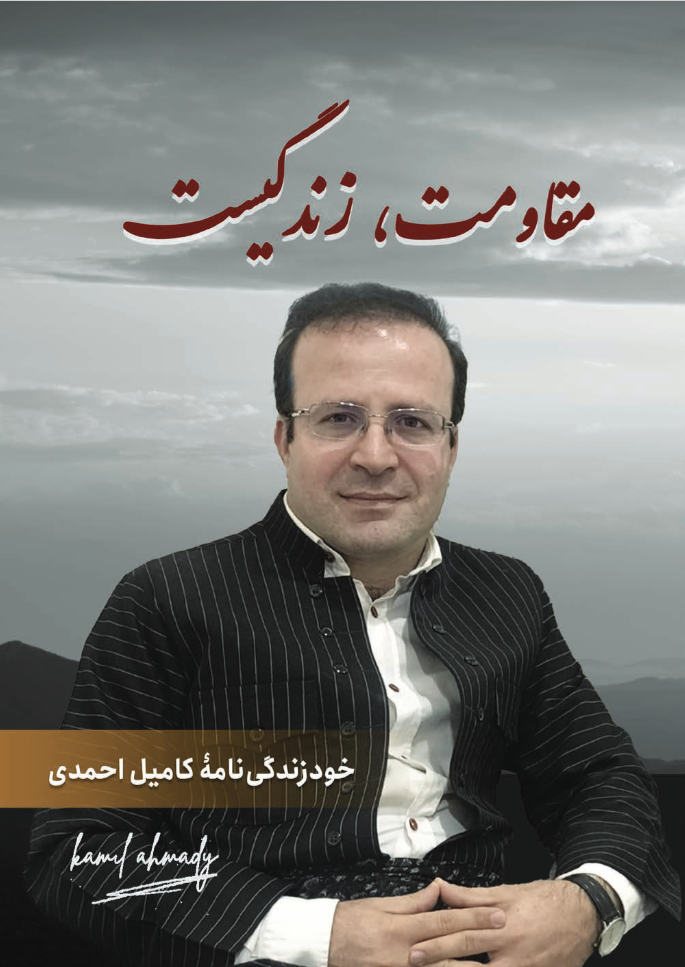
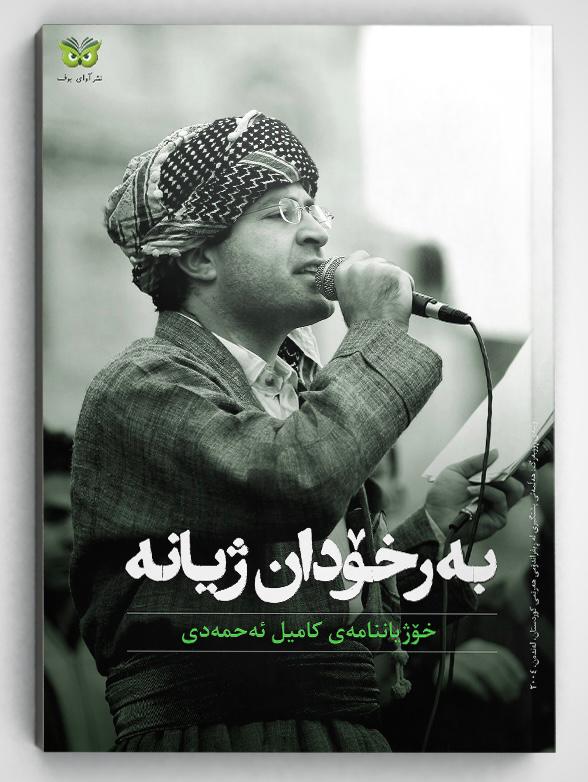
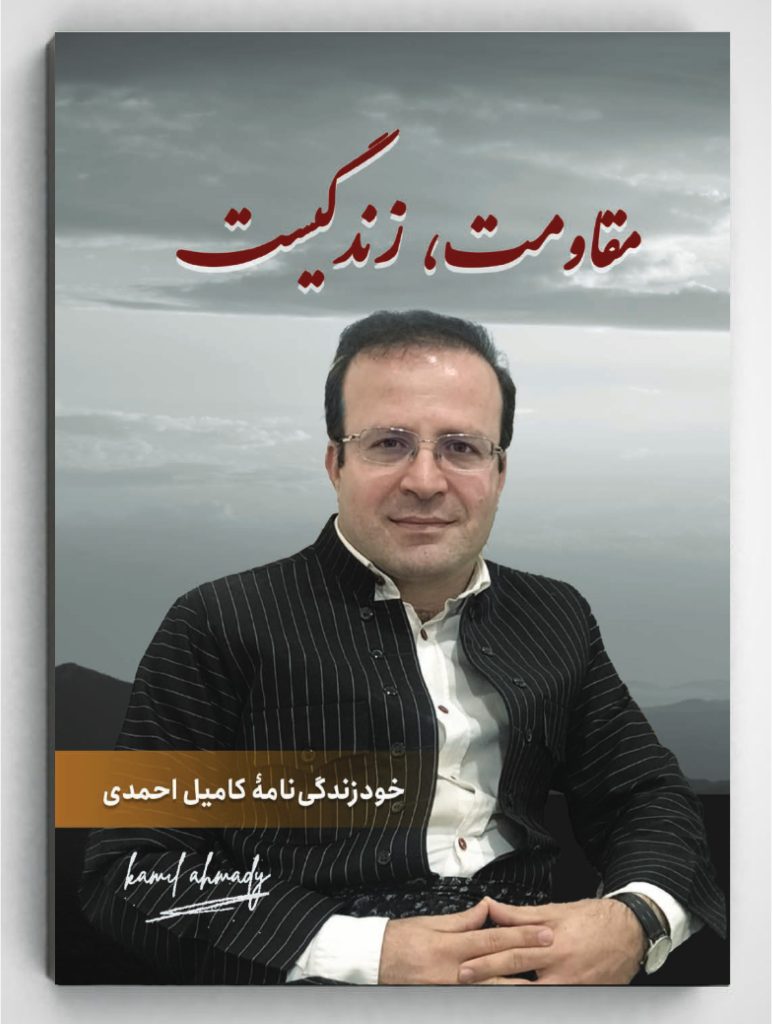
Linked editions: The English PDF is titled Resistance is Life: The Autobiography of Kameel Ahmady, published by AVAYeBUF, Denmark, with copyright dated 2026 (ISBN 978-87-94295-90-1). It contains 1,644 PDF pages. The linked Farsi edition states a first printing of January 2025 and 1,206 printed pages; that file contains 1,210 PDF pages. These are different editions and pagination records.
Also published in Farsi and Kurdish
Life is Resistance is the autobiography of Kameel Ahmady, researcher and social anthropologist, written after three years of revisiting and reflecting upon memories from both the distant and recent past. In this work, he shares his lived experiences with readers through an ethnographic lens and in a style that is at once candid, engaging, and deeply personal.
Life is Resistance is Kameel Ahmady’s autobiography. It connects his experiences of childhood in Kurdistan, revolution and war, travel, migration, social research, imprisonment and departure from Iran.
The memoir approaches these events through the author’s memories and an ethnographic perspective. Its interpretations, recollections and accounts of contested events should be read as his perspective, alongside the documents and other sources relevant to them.
A narrative in eight parts
The English page presents eight parts: The Unceasing Struggle; Revolution, War and Displacement; Sailing Through the Storms of Adolescence; This Is Europe; Return; This Is the Prison of the Islamic Republic of Iran; From the Injustice of Judge Salavati to the Travesty of Bidarzarni; and A Difficult Farewell.
The wording of the seventh part is the author’s chapter title. Consult the contents of the selected language edition for its exact headings.
Childhood, conflict and belonging
Memories of Naqadeh, the 1979 Revolution, the Iran–Iraq War and conflicts within Kurdish society form part of the narrative’s setting. The author links personal experience with wider political and social changes.
Family life, social expectations and encounters with different communities also inform his reflections on identity and belonging.
Travel, research and public life
Travel and life in different societies lead into the account of returning to Iran and undertaking field research. The memoir connects these projects with experiences and questions that shaped the author’s interests in childhood, gender, traditions and identity.
The later parts recount detention, judicial experiences, public controversies and leaving Iran. These passages present the author’s account; the introduction does not independently adjudicate contested allegations or certify every historical detail.
Formats and edition differences
The English page describes complete, two-volume and eight-part formats. Page totals differ between the English and Farsi introductions, so a single page count is not used here. Check the language, format, imprint and contents in the edition you consult.
Publication titles and pagination can vary between language versions. Cite the title page and imprint of the edition you read.
Common questions
Is this a research survey?
It is an autobiography and critical memoir. Its personal accounts and reflections should be distinguished from the methods and findings of the author’s separate research publications.
Why are page totals not given here?
The language introductions describe different totals and formats. A total needs to be attached to a verified edition.
Where can I find available editions?
Use the access links above, checking the language, format and imprint of the file you choose. The title and page numbers in your citation should match that edition.
Essential cookies are active for the website to work. Visitor statistics and external content such as YouTube depend on your choice. You can accept or reject optional cookies, or choose your settings. You can change your choice through “Cookie settings”.
Essential
Always active
Essential storage needed to provide services and remember your cookie choice is always active.
Preferences
The technical storage or access is necessary for the legitimate purpose of storing preferences that are not requested by the subscriber or user.
Visitor statistics
This option allows Google Analytics to measure visits and use of the website.The technical storage or access that is used exclusively for anonymous statistical purposes. Without a subpoena, voluntary compliance on the part of your Internet Service Provider, or additional records from a third party, information stored or retrieved for this purpose alone cannot usually be used to identify you.
External content
This option allows external content such as YouTube to load. These services process information under their own policies.

 Farsi (فارسی)
 Kurdish (کُردی)