
 Farsi (فارسی)
 Kurdish (کُردی)

Books and research by Kameel Ahmady
Explore work in social anthropology and ethnography on childhood, gender, the body, identity and lived experience. These books examine discrimination, inequality, harmful traditional practices and relations of power.
Choose a cover or use the subject guide below to open an English book page. Each page brings together its introduction, publication information and available editions or downloads. Read findings in the context of the methods, dates and geographical scope of the individual study.
Browse the books










Find a book by subject
Childhood, work and violence
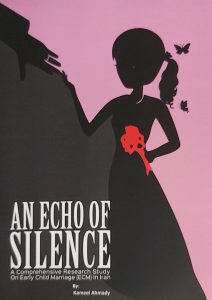
Research on child labour, early marriage and child sexual abuse.
Gender and social relationships
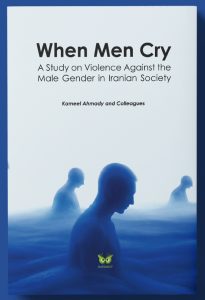
Studies of temporary marriage, cohabitation, sexual and gender minorities, and violence against men.
The body and harmful traditional practices
Research on female genital mutilation/cutting and male circumcision, examining tradition, consent and power.
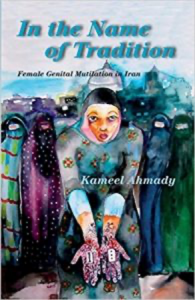
- In the Name of Tradition
- The Changing Paradigms of Female Genital Mutilation/Cutting
- Blade of Tradition in the Name of Religion
Identity, ethnicity and ethnography
Studies of identity, discrimination, young people’s lives and the region’s cultural heritage.
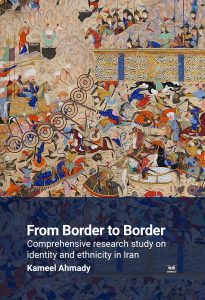
- From Border to Border
- Iranian Ethnicities or Nations in Iran
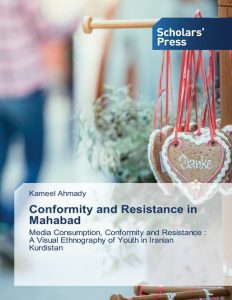
- Conformity and Resistance in Mahabad
- Another Look at East and Southeast of Turkey
Memoir and lived experience
A personal account of life, migration, research and imprisonment.
Book chapters
The Role of Temporary Marriage in Promoting Early Child Marriage in Iran is Kameel Ahmady’s chapter in the edited volume Temporary and Child Marriages in Iran and Afghanistan. The book page distinguishes this contribution from the wider collection.
Farsi and Kurdish book pages
Browse the Farsi books index or the Kurdish books index. Language pages may describe different editions; check the publication details and file label on the individual book page before downloading.
Common questions
Where can I find a book’s introduction and research details?
Open the book’s page from its cover or the subject guide above. The page presents the book and links to available material.
Are all linked files English editions?
No. Individual pages may link to material in more than one language. Check the language and format shown next to each link.
Do the studies represent everyone in Iran?
A study’s findings depend on its sample, method, place and period. Consult the individual work before applying its findings beyond the people or setting studied.