Conformity and Resistance in Mahabad, by Kameel Ahmady and colleagues, is a visual ethnography of young people in Iranian Kurdistan. It explores media consumption, belonging, gender and Kurdish identity through photographs, accounts and other field material.
The research examines how young people narrate their surroundings and negotiate expectations within families, public life and wider structures of power. Their photographs are part of the evidence, rather than illustrations added after the analysis.
The 2006 fieldwork
The English introduction dates the start of fieldwork in Mahabad to May 2006. Work over three months involved children and young people, centre staff, parents and local figures, in cooperation with the Institute for the Intellectual Development of Children and Young Adults.
Photographic, textual and interview material was collected. These dates describe the research setting; later publication or reprint years do not move the fieldwork into a more recent period.
Photography and participants’ perspectives
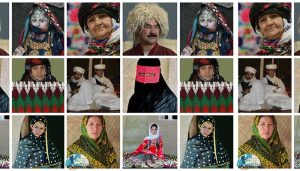
Young people were invited to make photographs about local issues and aspects of life they considered important. Their choices of subject and explanations offer insight into their relationships with place and public events.
A week-long public exhibition in Mahabad produced further material, including visitors’ written responses and the researcher’s observations. Interpretation draws on these different sources together.
Media, gender and belonging
The study considers local, national and transnational media, including television, film and print. It examines how images and narratives influence the issues young people prioritise and the ways they describe them.
Gender conventions, Kurdish identity and expressions of resistance form part of the analysis. The author’s interpretations should be read alongside participants’ images and accounts, including their ambiguities and differences.
A situated ethnography
This is a qualitative study of a particular place and period, not a statistical survey of every young person in Mahabad or Iran. Nor should material gathered in 2006 be assumed to describe present conditions without further research.
Check participant details, research methods and the selected edition when citing photographs or analytical passages.
Common questions
Who made the photographs used in the research?
The method invited participating young people to photograph themes meaningful to them; interpretation also uses their accounts and other field material.
Was the fieldwork conducted in the publication year?
The introduction identifies fieldwork beginning in May 2006. Publication and later editions have separate dates.
Where can I find available editions?
Use the access links above, checking the language, format and imprint of the file you choose. The title and page numbers in your citation should match that edition.
Essential cookies are active for the website to work. Visitor statistics and external content such as YouTube depend on your choice. You can accept or reject optional cookies, or choose your settings. You can change your choice through “Cookie settings”.
Essential
Always active
Essential storage needed to provide services and remember your cookie choice is always active.
Preferences
The technical storage or access is necessary for the legitimate purpose of storing preferences that are not requested by the subscriber or user.
Visitor statistics
This option allows Google Analytics to measure visits and use of the website.The technical storage or access that is used exclusively for anonymous statistical purposes. Without a subpoena, voluntary compliance on the part of your Internet Service Provider, or additional records from a third party, information stored or retrieved for this purpose alone cannot usually be used to identify you.
External content
This option allows external content such as YouTube to load. These services process information under their own policies.

 Farsi (فارسی)
 Kurdish (کُردی)