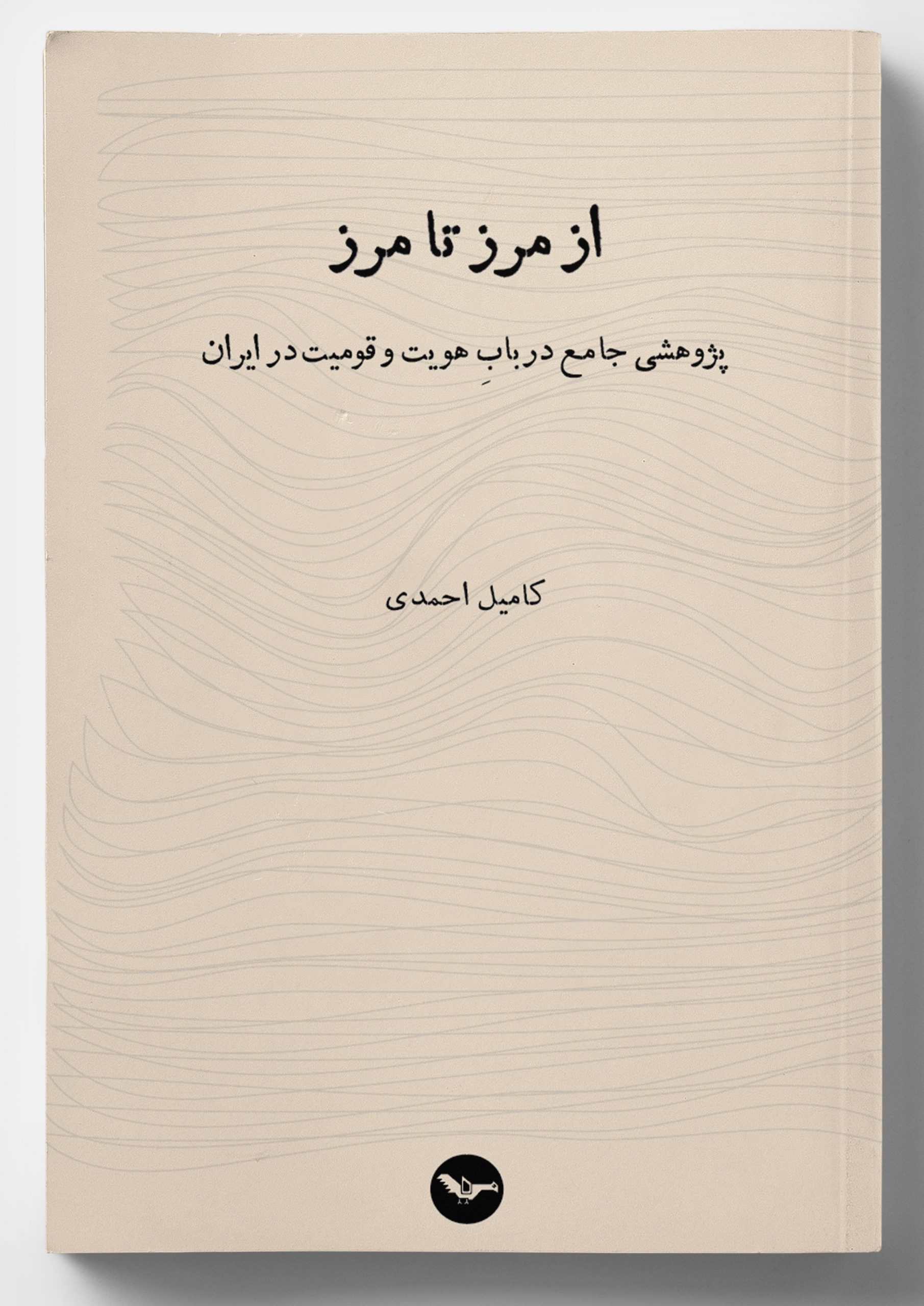
From Border to Border, by Kameel Ahmady and colleagues, explores identity and ethnicity in Iran, with a focus on peace and coexistence. It considers communities’ demands, their position within structures of power, and the relationship between discrimination, inclusion and separation.
Identity is examined through social relationships and people’s accounts of themselves and others. The book asks how policy, unequal opportunities and recognition of different identities shape lived experience.
Fieldwork and analytical approach
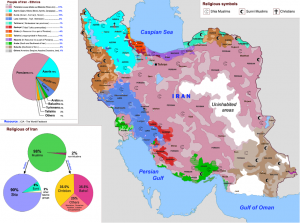
The study introduction describes work in thirteen provinces concerning Persian/Persian-speaking, Turkic-speaking, Kurdish, Baloch and Arab groups. It draws on interviews with specialists and other participants and a grounded-theory approach to analysis.
Read the composition of the sample and the interview methods before extending the findings. The study is not presented here as a nationally representative survey of every member of those groups.
Language, participation and recognition
The research considers participation, language, cultural recognition and people’s relationships with political and economic institutions. It examines how experiences of exclusion can affect belonging and trust.
Its categories are part of the research framework. They should not be treated as a fixed or complete account of all identities in Iran.
Discrimination and social scenarios
The author discusses the relationship between unequal treatment, grievances and possible paths towards coexistence or further division. These are arguments grounded in the book’s interpretation of its material.
Scenarios require examination of their assumptions and evidence; they are not certain predictions. Their political and social context also needs to be distinguished from conditions today.
Figures, dates and later work
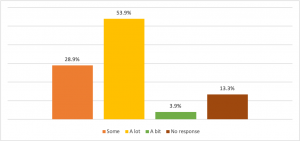
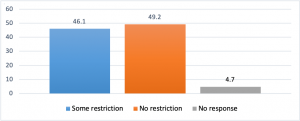
Charts and percentages in the research describe the participating sample and the questions asked. They should not be relabelled as national opinion or proof of a legal proposition.
The later Iranian Ethnicities or Nations in Iran is listed separately. Check the edition and contents rather than assuming its additional material is present in every version of From Border to Border.
Common questions
What is the book’s geographical scope?
The introduction describes research in thirteen Iranian provinces. Interpretation also depends on how participants were selected and interviewed.
Are all linked PDFs the same edition?
No. The labels distinguish full English editions, a short English version and Farsi editions. Check the selected file’s imprint and pagination.
Where can I find available editions?
Use the access links above, checking the language, format and imprint of the file you choose. The title and page numbers in your citation should match that edition.
Essential cookies are active for the website to work. Visitor statistics and external content such as YouTube depend on your choice. You can accept or reject optional cookies, or choose your settings. You can change your choice through “Cookie settings”.
Essential
Always active
Essential storage needed to provide services and remember your cookie choice is always active.
Preferences
The technical storage or access is necessary for the legitimate purpose of storing preferences that are not requested by the subscriber or user.
Visitor statistics
This option allows Google Analytics to measure visits and use of the website.The technical storage or access that is used exclusively for anonymous statistical purposes. Without a subpoena, voluntary compliance on the part of your Internet Service Provider, or additional records from a third party, information stored or retrieved for this purpose alone cannot usually be used to identify you.
External content
This option allows external content such as YouTube to load. These services process information under their own policies.

 Farsi (فارسی)
 Kurdish (کُردی)