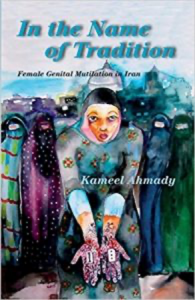
The Changing Paradigms of FGM, by Kameel Ahmady and colleagues, follows research on female genital mutilation/cutting in Iran. It discusses reported changes in study communities, work on awareness and prevention, and a separate introduction to male circumcision.
The report should be read alongside In the Name of Tradition. The access section distinguishes a standalone report from a combined book-and-report file, helping readers identify which material they are consulting.
The original study and the follow-up
The research background concerns selected areas in West Azerbaijan, Kurdistan, Kermanshah and Hormozgan. The follow-up describes returning to some study areas and undertaking face-to-face education alongside further investigation.
Distinguish the original fieldwork locations, places revisited and communities receiving education. The introduction does not establish complete coverage of four provinces or a national sample.
Reported changes and educational impact
The report describes changes in the areas examined. To assess a decline, check how it was measured, the ages and composition of participants, the follow-up period and other changes affecting the communities.
Education occurring alongside a reported reduction does not by itself establish causation. Nor does a local change demonstrate an equivalent trend throughout Iran.
Tradition, pressure and prevention
The author examines the social expectations that sustain cutting and the responsibilities of those involved in prevention. The cultural setting is considered alongside consent, unequal power and protection.
WHO’s overview of FGM provides a separate source for its definition and health evidence. Those general findings should be distinguished from the report’s local observations.
The section on male circumcision
The report’s discussion of boys’ and men’s circumcision is a distinct subject. It should not be assumed that the same procedure, evidence base or findings apply across the two topics.
Is the report the same as In the Name of Tradition?
It is related follow-up material. Some downloads combine the original book and report, while others contain a standalone report.
Does the reported decline prove an educational programme caused it?
That conclusion requires an appropriate evaluation design. The timing of education and change alone does not establish causation.
Where can I find available editions?
Use the access links above, checking the language, format and imprint of the file you choose. The title and page numbers in your citation should match that edition.
Essential cookies are active for the website to work. Visitor statistics and external content such as YouTube depend on your choice. You can accept or reject optional cookies, or choose your settings. You can change your choice through “Cookie settings”.
Essential
Always active
Essential storage needed to provide services and remember your cookie choice is always active.
Preferences
The technical storage or access is necessary for the legitimate purpose of storing preferences that are not requested by the subscriber or user.
Visitor statistics
This option allows Google Analytics to measure visits and use of the website.The technical storage or access that is used exclusively for anonymous statistical purposes. Without a subpoena, voluntary compliance on the part of your Internet Service Provider, or additional records from a third party, information stored or retrieved for this purpose alone cannot usually be used to identify you.
External content
This option allows external content such as YouTube to load. These services process information under their own policies.

 Farsi (فارسی)
 Kurdish (کُردی)