
 Farsi (فارسی)
 Kurdish (کُردی)


Female Genital Mutilation (FGM) in Iran
This page introduces Kameel Ahmady’s research on female genital mutilation/cutting (FGM/C) in Iran, with links to books, papers and a documentary.
Definition and Health Context
The World Health Organization (WHO) defines FGM as non-medical removal of external female genital tissue or other injury to female genital organs. WHO identifies four types, including procedures without tissue removal. FGM has no health benefits and carries risks to physical and psychological health.

Research in Selected Communities
In the Name of Tradition examines selected communities in West Azerbaijan, Kurdistan, Kermanshah and Hormozgan. Read its findings alongside the fieldwork dates, participant selection and study methods. Results from these settings do not establish prevalence for all of Iran or everyone living in those provinces.

Change Over Time
The follow-up The Changing Paradigms of FGM reports changes in the communities studied. A reported decline does not by itself show that one intervention caused it. Comparisons need compatible samples, age groups, definitions and dates.
Social Context and Prevention
WHO describes varied social pressures and beliefs that can sustain FGM, including expectations about acceptance and marriage. These explanations should not be used to stereotype a religious or ethnic population. WHO opposes performance of FGM by health workers and supports prevention and care for those affected.
Books, Papers and Documentary
The research listings below provide routes to the original publications. Distinguish participants’ accounts, the researchers’ interpretations and independently sourced health evidence when reading them together.
References and Further Reading
- World Health Organization (WHO)
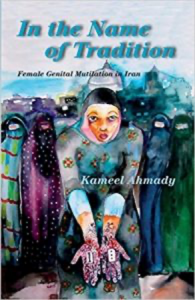
- Kameel Ahmady, In the Name of Tradition.
This book is also available in Farsi and Kurdish. Follow the edition pages for publication and download details.
search
Articles
Harmful Traditions Practice: A Comprehensive Study on female genital mutilation (FGM)
Prevalence of Female Genital Mutilation/Cutting in Iran 2005-2015
In the Name of Tradition. Female Genital Mutilation in Iran
In the Name of Traditions: A Comprehensive Study on the Impact of Female Genital Mutilation (FGM) on Women and Girls An Overview of Female Genital Mutilation (FGM) in Iran
The Changing Paradigms of FGM
Prevalence of Female Genital Mutilation/Cutting (FGM/C) in Iran (Conference Presentation)
Harmful traditions practice: A comprehensive study on female genital mutilation in Iran
A comprehensive study on Female Genital Mutilation/Cutting (FGM/C) in Iran
Harmful Traditions Practice: A Comprehensive Study on female genital mutilation
The Politics of Culture
Female Genital Mutilation In Iran (A Research Report)
In the Name of Tradition
Related Content
In The Name of Tradition ” A Comprehensive Research Study on Female Genital Mutilation/Cutting (FGM/C) in Iran’ Including appendix The Changing Paradigms of FGM 2017 Country Report on Female Genital Mutilation in Iran
Social Context – FGM in iran
The Reason for Female Genital Mutilation/Cutting ‘People said the girl is impudent and impure!’
In the name of tradition
In Name Of Tradition – Documentary Film
Kameel Ahmady, British-Iranian Anthropologist – News Updates
About the Researcher
Kameel Ahmady is a British-Iranian researcher working in the field of social anthropology, with a particular focus on gender, children, ethnic minorities, and child labour. Kameel was born in Iranian Kurdistan (also known as East Kurdistan). He obtained his Master’s degree in Social Anthropology and Visual Ethnography from the University of Kent, UK. His academic pursuits include specialized courses in Middle Eastern Politics and Research Methods from other British institutions. Known for studying harmful traditions, Ahmady serves as both a supervisor and developer for his teamwork research publications in Farsi, Kurdish, and English. In 2017, he was honoured with “Honour” prize by the UK based IKWRO organization at the University of Law in London. Subsequently, in 2018, at George Washington University, Global P.E.A.C.E. foundation bestowed upon him the “Literature and Humanities” award in recognition of his contributions to the field. Among his group works are titles such as ” Conformity and Resistance in Mahabad,” ” Another Look at East and Southeast of Turkey,” “In the Name of Tradition,” “A House on Water,” “The Echo of Silence,” ” Traces of Exploitation in Childhood,” and more….
Articles


Related Content


FAQ About Female Genital Mutilation
- What does FGM/C mean?
FGM/C means female genital mutilation/cutting. The WHO source linked above provides the definition and four-part classification.
- What health risks does WHO identify?
WHO lists possible immediate problems such as pain, bleeding and infection, and longer-term urinary, sexual, childbirth and psychological complications. Experiences vary; a list of risks does not predict every individual’s outcome.
- Do the studies give a current national prevalence rate?
The linked research concerns particular samples and settings. It should not be presented as a current nationally representative survey.
- Where can I read the research?
See In the Name of Tradition, the follow-up study and the papers linked on this page.
It’s crucial to respect the cultural context while actively working to eliminate FGM, ensuring that efforts are sensitive, community-led, and focused on raising awareness about the health risks and consequences associated with the practice.
International organizations, governments, and NGOs are actively working to eradicate FGM through education, awareness campaigns, and legal reforms.
FGM perpetuates gender inequality, and its elimination is critical for promoting gender equity and protecting the rights of girls and women.
What are the challenges in addressing FGM, and how can international organizations, governments, and civil society work together to eliminate this practice while respecting cultural sensitivities and human rights?
FGM is deeply rooted in cultural and social norms, making it a complex and challenging issue to address, often requiring a multifaceted approach.