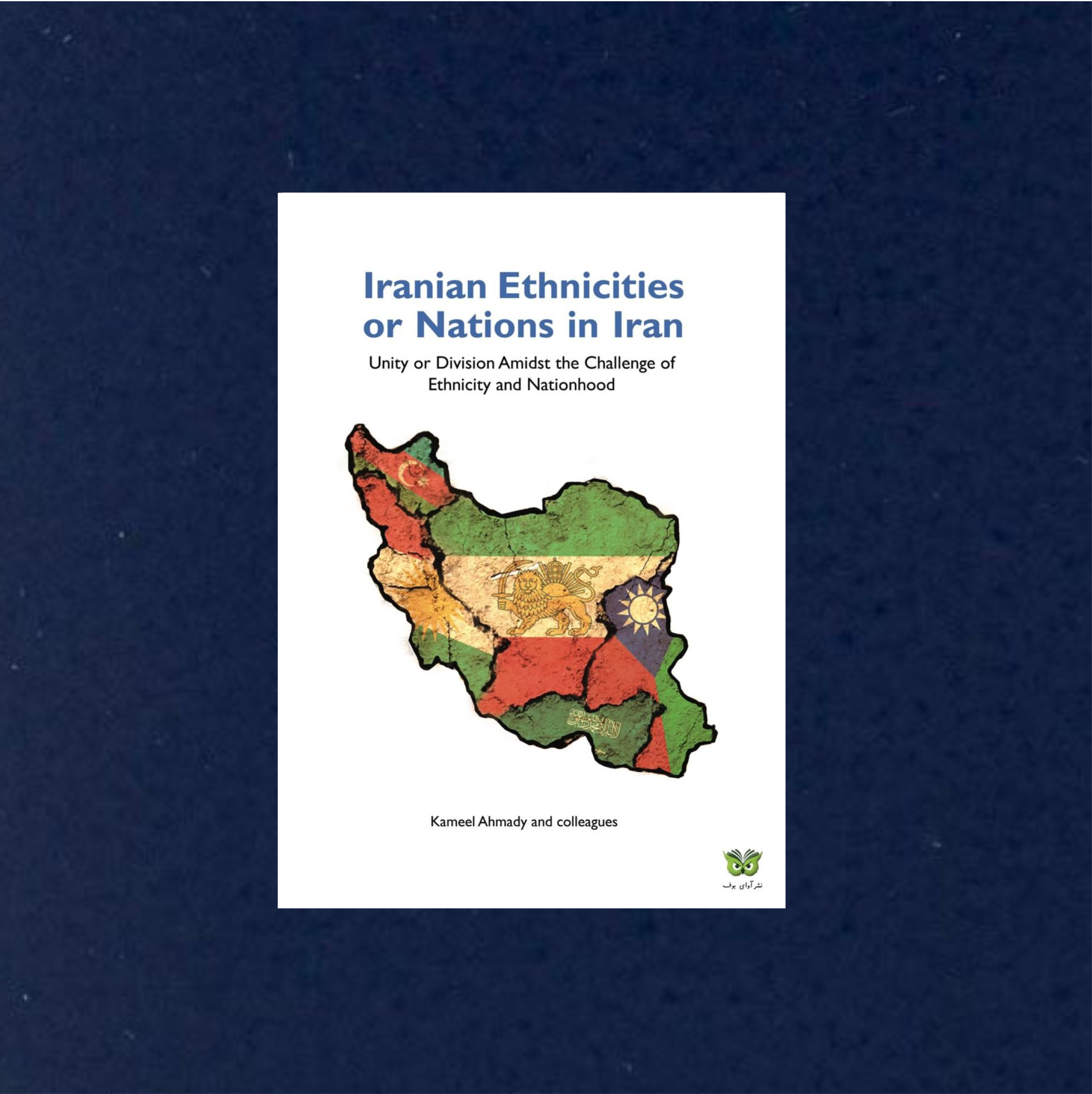
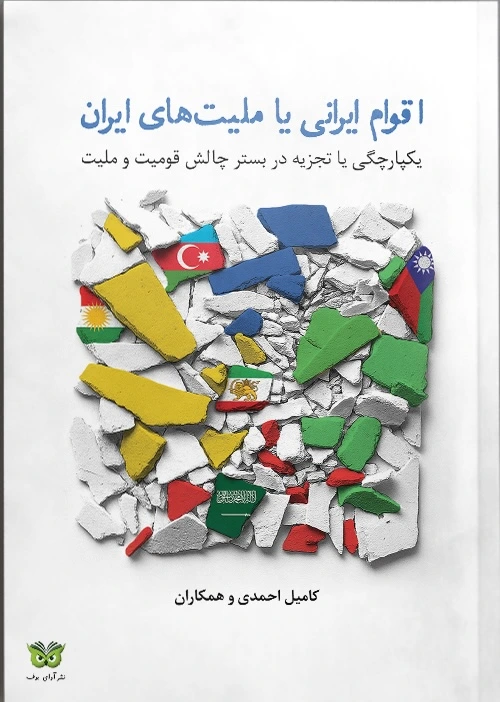
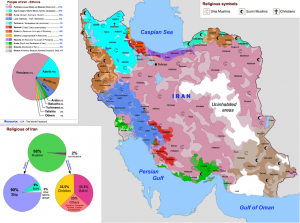
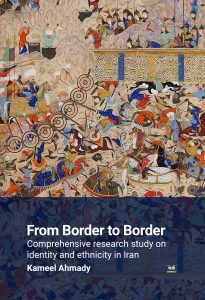
This book offers one of the most comprehensive examinations of Iran’s multi-ethnic landscape and the enduring question at its core: Are the peoples of Iran ethnic groups within a nation-state, or nations within a contested political geography? Bringing together extensive fieldwork, rigorous analysis, and a wide body of empirical evidence, Iranian Ethnicities or Nations in Iran interrogates the historical formation of identities and the contemporary tensions that define them.
The study reveals how—despite expectations that globalisation and national integration would weaken ethnic distinctions—identities among Persians, Kurds, Azeris, Baloch, Arabs, Turkmen, and others remain vibrant and politically significant. It explores how unresolved grievances related to political representation, cultural rights, economic inequalities, and restrictions on language and religious freedoms continue to shape relations between the state and its diverse communities.
This updated edition situates the book within the profound transformations of recent years, including the 2019 nationwide protests and the 2022 uprising following the death of Jina (Mahsa) Amini. These events, stretching across provincial and ethnic lines, have challenged long-standing narratives of national unity while illuminating the structural tensions embedded in Iran’s governance of diversity.
Combining conceptual clarity, historical depth, and meticulous documentation, Iranian Ethnicities or Nations in Iran provides essential insight into the forces of unity and fragmentation at work in contemporary Iran. It is an indispensable resource for scholars, policymakers, journalists, and all readers seeking to understand how ethnicity and nationhood continue to shape the future of the Iranian polity.

 Farsi (فارسی)
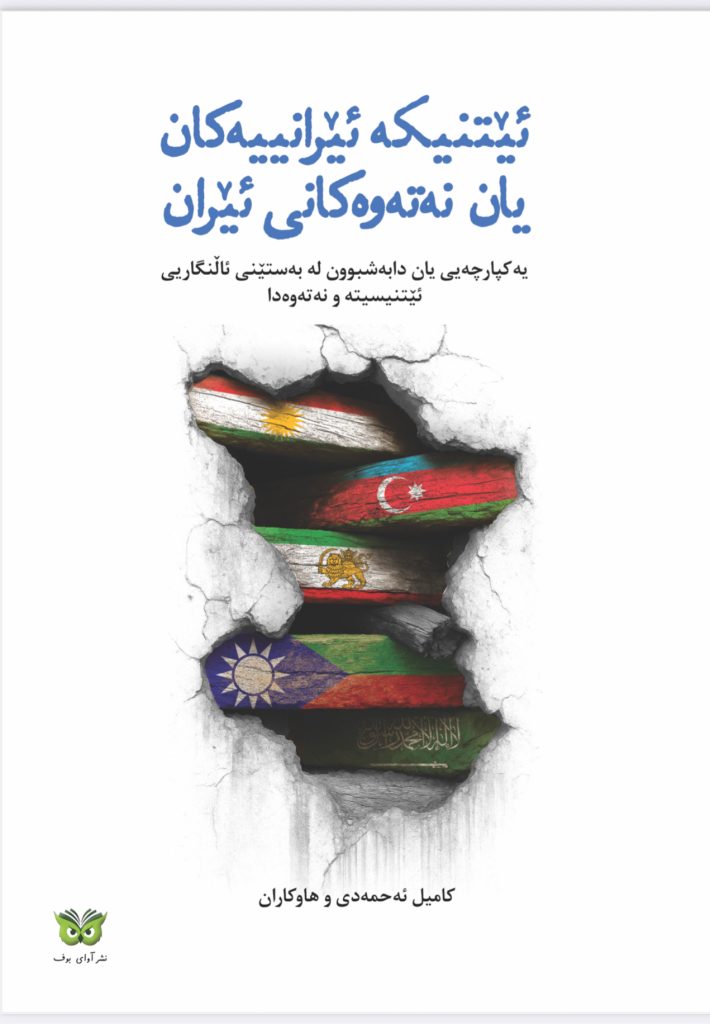
 Kurdish (کوردی)